
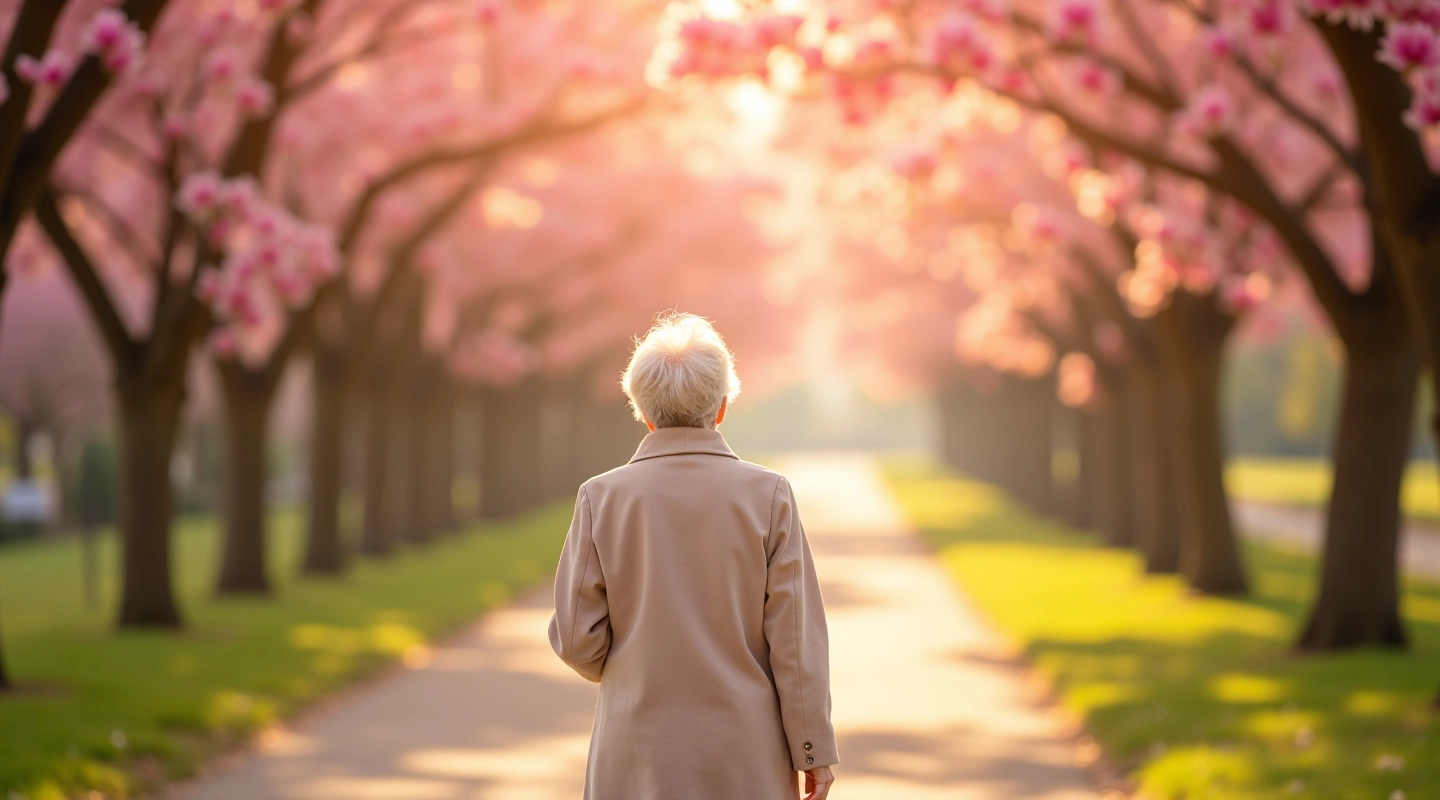
Magnolia Grove Loop: The Scenic Route
A gentle 2-kilometer walk through the heart of the park where magnolias bloom brightest. Covers the routes, rest points, and what you'll see along the way.
Capture the magnolia blossoms at their peak. We've mapped the best spots, light conditions, and timing to help you photograph spring at its most beautiful.

Editorial Team
Written by the condo-investing Parks editorial team, focused on honest, practical guidance for spring morning walks.
Getting a great photo of the magnolias isn't just about showing up with a camera. It's timing, light, and knowing where to stand. We've spent springs at the condo-investing park documenting these blooms, and we've noticed patterns. The flowers look different at 7 AM than they do at noon. Wind changes the way petals catch the light. And there's this sweet spot — usually late March through early April — when the blooms are full but not yet browning at the edges.
This guide covers six specific spots in the park where you'll get your best shots. We're talking about actual locations, the light conditions you'll find there, and the times when everything lines up just right. You don't need expensive gear. A smartphone works fine if you understand what you're looking for.
Late March to early April. Early morning (6-9 AM) offers soft light and fresh petals. Afternoon shoots (3-5 PM) give warmer tones but harsher shadows.
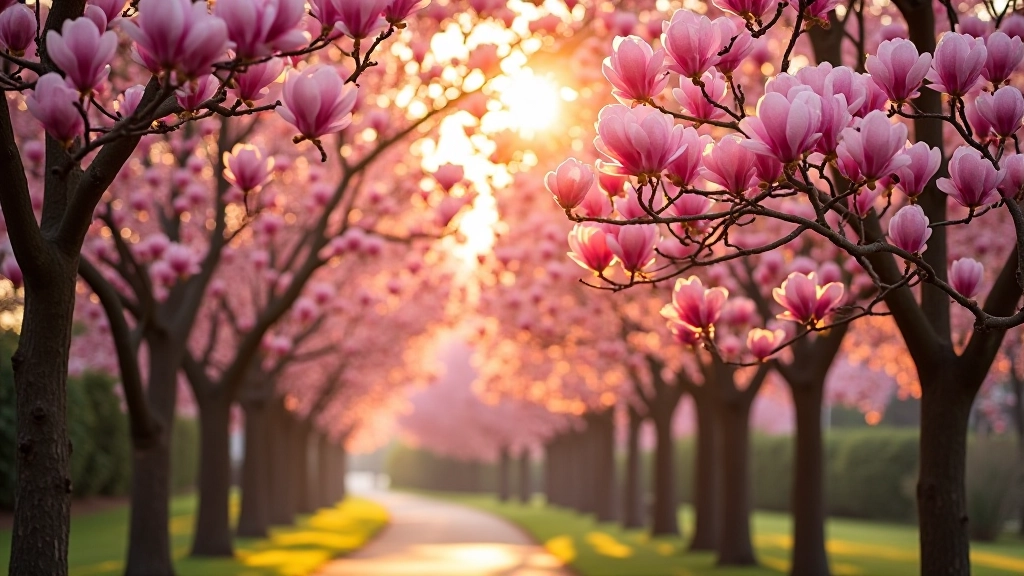
This is probably our favorite spot. The North Grove sits on slightly higher ground, and the morning sun hits the trees at an angle that makes the petals glow. You're looking at magnolias that are 8-10 meters tall, dense with flowers. The background includes the park's native pine trees, which provide a dark, natural frame.
Best time: 6:30-8 AM on clear mornings. The light's soft but directional. You get definition without harsh shadows. By 9 AM, the sun's too high and you lose that warm glow. The grove's accessible from the main path — about 300 meters from the parking area. Bring a tripod if you want to get serious about composition.
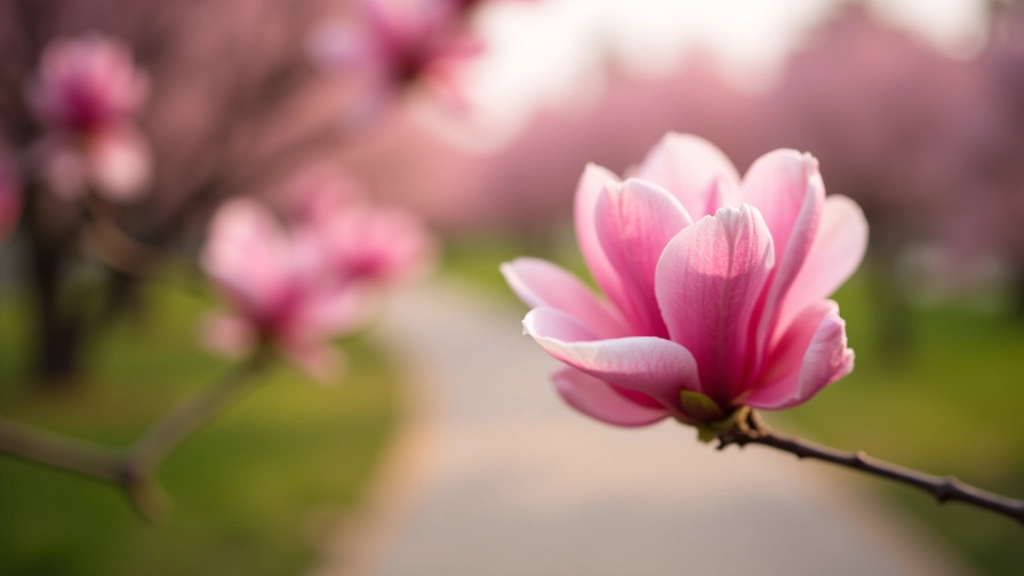
If you're visiting in the afternoon, the Central Meadow's your best bet. It's an open space with scattered magnolia trees — not a dense grove, but isolated specimens. This actually works in your favor. You can photograph individual trees without background clutter. The afternoon sun creates longer shadows, which gives dimension to the photos.
Best time: 2-4 PM. The light's warmer, slightly diffused by the time it reaches ground level. You'll notice the petals take on peachy tones rather than pure pink. There's more foot traffic here, so you might want to avoid peak times. The meadow's about 500 meters from the main entrance, and it's flat — good if you're walking in for a longer session.
This path winds through a more densely planted section. Trees are younger here, so the blooms are at more accessible heights — 4-6 meters instead of 10. You're close enough to photograph individual flowers, which means you can capture texture. You'll see the stamens, the subtle color variations in petals, the way light plays across the surface.
Best time: 7-10 AM. Early morning dew makes the flowers sparkle, and the side-angle light shows off details. The path gets crowded by mid-morning, so arrive early if you want solitude. It's about 800 meters round trip, mostly flat, well-maintained. This is where you'll get macro-style shots if you have a decent zoom or telephoto lens.
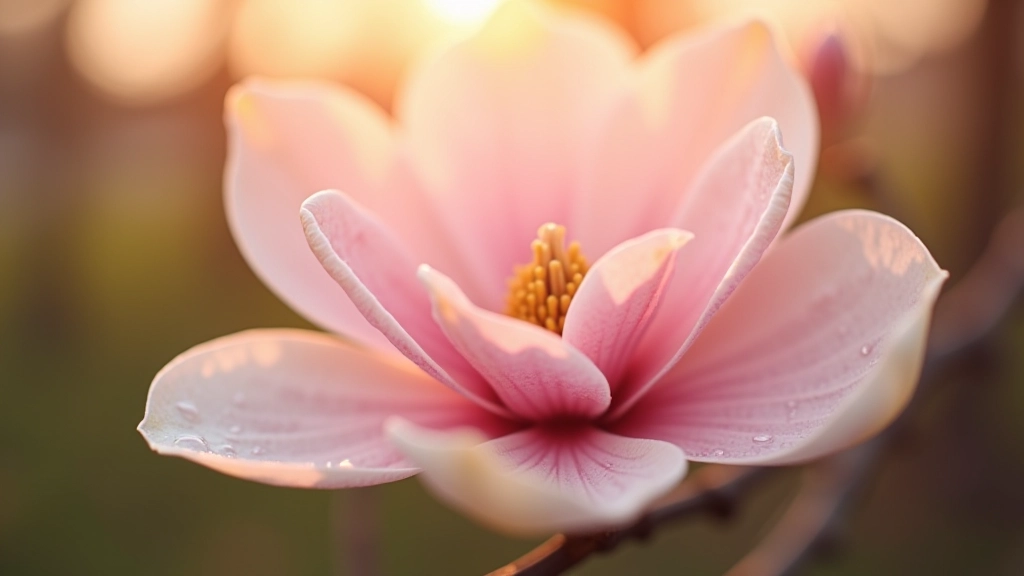
We've described the spots. Now let's talk about light itself, because that's what makes a photo work or not work.
Soft, directional light. Petals glow pink and peachy. Shadows are gentle. This is when most good flower photos happen. The light's warm without being harsh. Contrast is balanced.
Light becomes whiter, more neutral. Shadows sharpen and darken. The flowers still look good, but there's less dimension. It's harder to create mood. Not impossible — just requires more thoughtful composition.
Warm, directional again. Shadows get longer and more pronounced. Backlit flowers create halos. Colors shift toward peachy and gold. Wind often picks up, making flower movement a challenge for sharp shots.
Sky acts like a giant softbox. No harsh shadows. Colors are true pink rather than glowing. It's forgiving light — easier to get a good shot, less dramatic. Better for detailed flower studies than landscape shots.
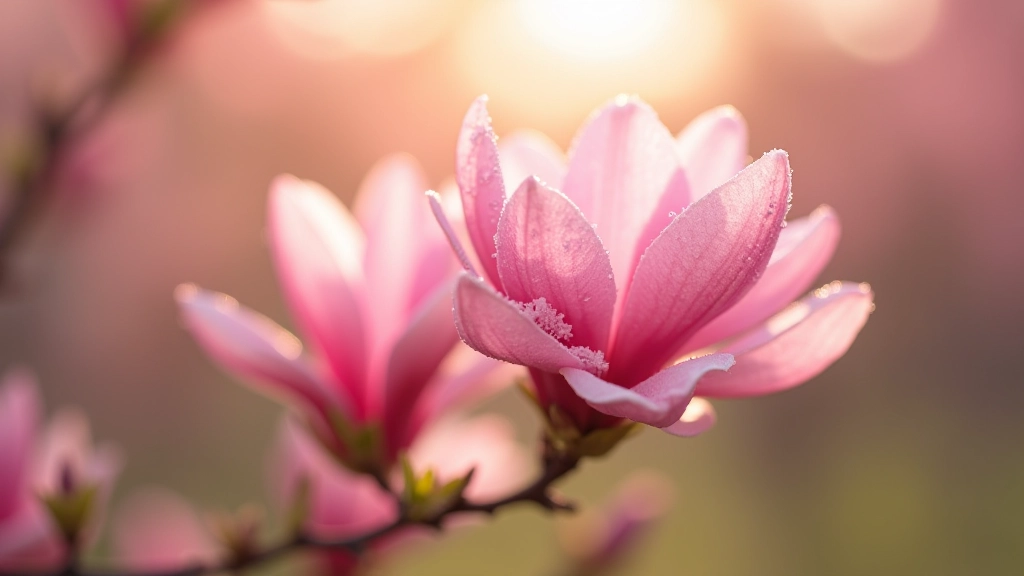
Petals are wet, reflecting light. Colors deepen. There's texture and sparkle. Photos feel fresh and alive. Wind dies down, so you get sharper shots. Only downside: your gear gets damp too.
Sun visible but diffused. Soft directional light. No blown-out highlights or crushed shadows. This is the Goldilocks condition — not too harsh, not too flat. It's rare, but when you find it, shoot everything.
You've picked your spot and the right time. Now comes the logistics. The park's accessible from the main parking area near the entrance. Most of the spots we've covered are within 1 kilometer of the main paths. That said, here's what you actually need to know.
The park opens at sunrise. If you want that 6:30 AM golden light at the North Grove, you'll need to be there by 6 AM. Parking fills up quickly on weekends during peak bloom. Come midweek if you can. The main entrance has restroom facilities and a small café that opens at 7 AM.
A small backpack with water. Comfortable shoes — you'll be standing and walking. Sunscreen. A cloth or microfiber cloth for your lens. A tripod if you're serious. Your phone's camera is genuinely good enough for flowers. If you're using a dedicated camera, bring an extra battery. Cold mornings mean batteries drain faster.
Late March through early April. Some years the blooms come early (mid-March). Some years they're late (mid-April). Weather matters. A warm spell brings flowers out faster. A cold snap delays them. Check local weather trends a few days before you plan to go.
We've given you six spots, light conditions, and timing. But honestly? The best photo comes from showing up, paying attention, and being patient. The magnolias don't perform on schedule. Some years the blooms are fuller. Some years the colors shift. Wind, weather, light — none of it's controllable. What you can control is where you position yourself and when you decide to be there.
Start with the North Grove if you want the most reliable conditions. Move to the Eastern Path if you want to get close to individual flowers. Try the Central Meadow on an afternoon when the light's warm. And don't stress about gear. Your phone's camera is more capable than you probably think. The difference between a great photo and a mediocre one isn't the equipment — it's seeing the light and knowing where to stand.
Come early. Bring water. Be patient. The blooms will do the rest.
Note: Choose walks that match your fitness level and check local park conditions before visiting. Spring weather can change quickly, and paths may be wet or muddy after rain. Speak with your GP if you have any health concerns before starting new outdoor activities. The photography spots and timing we've described are based on typical spring patterns, but bloom dates and conditions vary year to year.
A gentle 2-kilometer walk through the heart of the park where magnolias bloom brightest. Covers the routes, rest points, and what you'll see along the way.
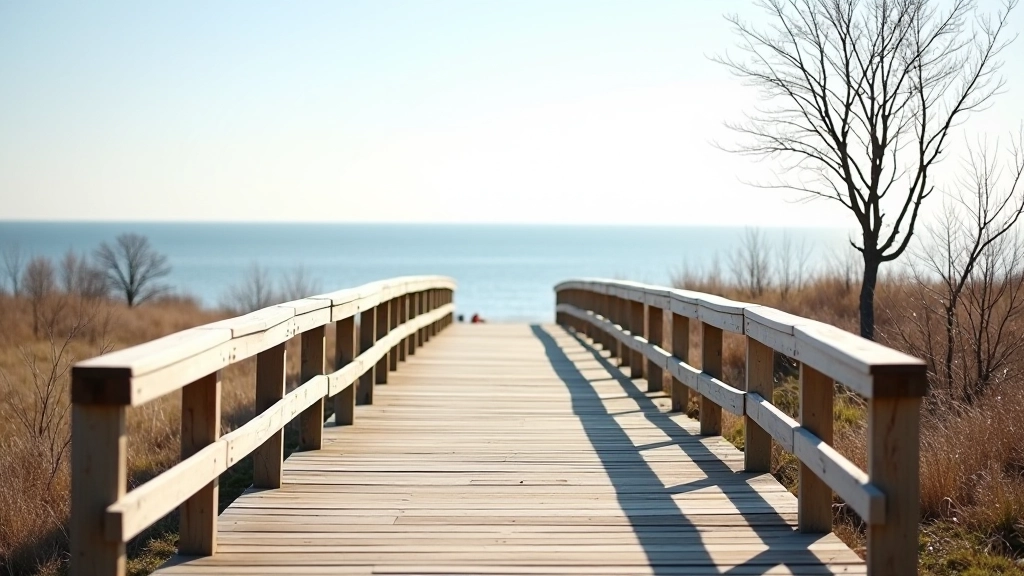
Combines the peaceful boardwalk with park pathways. This route connects sea views with spring blooms in one continuous walk.
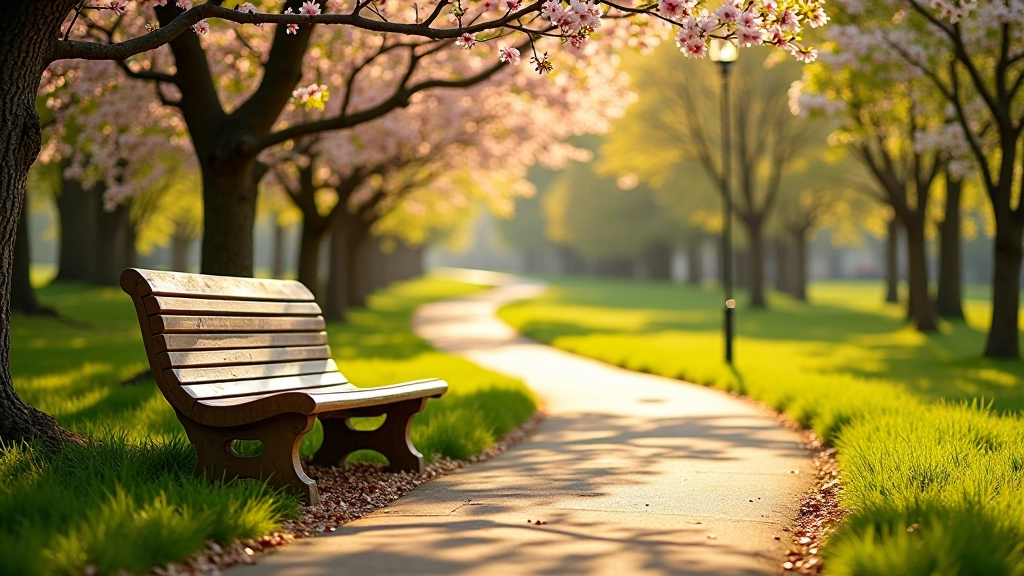
Complete listing of benches, water fountains, restrooms, and sheltered areas throughout the park. Know where to rest and refill.